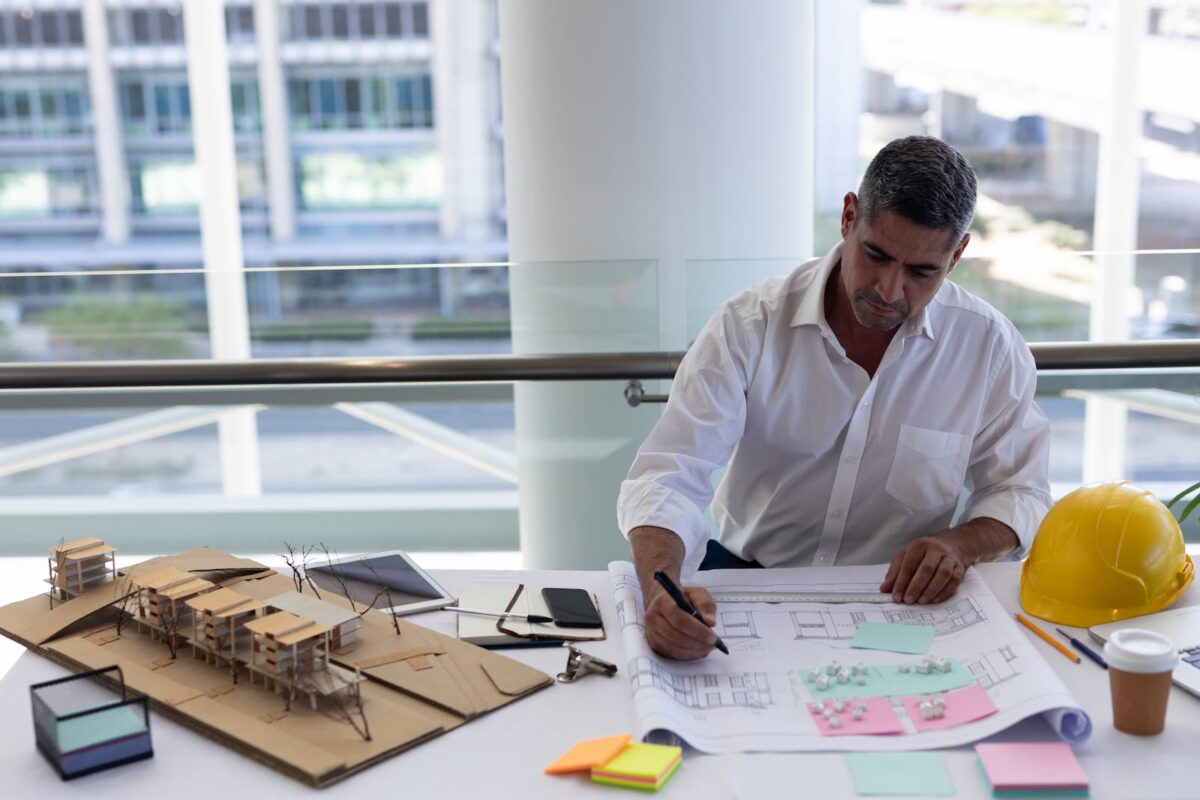
Every successful construction project starts long before work begins on-site. Design, planning, and visualization play a critical role in shaping how a project is executed, how efficiently it runs, and how accurately expectations are met.
While many focus on the build phase, the groundwork laid during early planning is what determines the outcome.
Why Design Matters in Construction
Design is more than just drawings. It defines how a project will function, how materials will be used, and how different elements come together.
A well-thought-out design helps:
- Reduce errors during construction
- Improve coordination between trades
- Ensure the project meets both functional and aesthetic goals
Without clear design direction, projects often run into avoidable issues later on.
The Importance of Detailed Planning
Planning connects design to execution. It takes concepts and turns them into actionable steps.
This includes:
- Defining project scope
- Establishing timelines
- Coordinating materials and labour
When planning is rushed or incomplete, projects become reactive instead of structured.
Using Visualizations to Reduce Uncertainty
Renderings and visual representations help bridge the gap between concept and reality. They allow clients, contractors, and stakeholders to understand the final outcome before construction begins.
This reduces:
- Miscommunication
- Mid-project changes
- Unclear expectations
Visualization tools are especially useful for complex or custom projects.
Aligning Design With Execution
Even the best designs can fail without proper execution. Plans need to be realistic, buildable, and aligned with on-site conditions.
This requires coordination between designers, project managers, and trades from the start.
When alignment is strong, projects move forward with fewer disruptions.
Common Gaps Between Planning and Construction
Many issues arise when there is a disconnect between design and execution. This often leads to delays, added costs, and rework.
These gaps are similar to what happens with why construction projects go over budget, where early decisions create downstream problems.
Bridging this gap requires better communication and more detailed planning upfront.
Bringing It All Together
Construction projects run more efficiently when design, planning, and execution are treated as a connected process rather than separate stages.
The more effort invested upfront, the fewer issues arise during the build. Clear plans, strong coordination, and proper visualization all contribute to a smoother project from start to finish.
