Why Most Skilled Trades Businesses Struggle to Generate Consistent Work

Many trades businesses start marketing when work slows down, then stop when things pick back up. This creates a cycle of peaks and valleys.

The same stop-and-start approach is what causes many operational issues, similar to why construction projects go over budget, where lack of consistency leads to compounding problems over time.

Consistent marketing is what stabilizes lead flow. Without it, businesses are always trying to catch up instead of staying ahead.

Relying Too Heavily on Referrals

Referrals are valuable, but they’re not predictable. One month can be busy, and the next can slow down without warning.

When a business depends entirely on referrals, it gives up control over its pipeline. Growth becomes reactive instead of planned.

Building a steady flow of new leads requires more than just waiting for past clients to recommend your services.

Limited Online Presence

Today, most customers search online before making a decision. If a business doesn’t show up when people are actively looking, it’s missing out on high-intent opportunities.

A weak or outdated website, poor visibility in search results, or an incomplete business profile can all reduce incoming leads.

Being visible where customers are searching is no longer optional.

Inconsistent Marketing Efforts

Many trades businesses start marketing when work slows down, then stop when things pick back up. This creates a cycle of peaks and valleys.

Consistent marketing is what stabilizes lead flow. Without it, businesses are always trying to catch up instead of staying ahead.

No Clear Positioning

When a business tries to serve everyone, it often ends up blending in with competitors. Clear positioning helps potential clients understand exactly what you offer and why they should choose you.

This can include:

  • Specific services or specialties
  • Target markets (residential, commercial, industrial)
  • Geographic focus

Without clear positioning, marketing efforts become less effective.

Weak Lead Handling Process

Generating leads is only part of the equation. What happens after someone reaches out matters just as much.

Missed calls, slow responses, and lack of follow-up all lead to lost opportunities. Many businesses leave work on the table simply because they don’t have a system in place to handle incoming inquiries properly.

Building a More Consistent Pipeline

Trades businesses that generate consistent work typically have systems in place to support it. This includes a strong online presence, ongoing marketing efforts, and clear processes for handling leads.

For companies looking to improve lead flow and build a more predictable pipeline, it’s worth understanding how structured marketing approaches for skilled trades businesses are designed to support long-term growth.

 

How Poor Site Coordination Slows Down Construction Projects

Construction projects depend on timing. When everything is aligned, work flows smoothly from one stage to the next. When coordination breaks down, delays and inefficiencies start to stack up quickly.

Most issues on-site aren’t caused by a lack of skill. They come from poor coordination between trades, missed communication, and unclear expectations during execution.

Trades Working Out of Sequence

One of the most common problems is trades arriving at the wrong time or working out of order. When sequencing isn’t followed properly, it creates rework and wasted time.

For example, if one phase isn’t fully completed before the next begins, it often leads to:

  • Work being undone or redone
  • Limited access for the next trade
  • Delays that impact the entire schedule

Proper sequencing is one of the simplest ways to keep a project moving efficiently.

Lack of Clear On-Site Leadership

Without someone overseeing daily operations, coordination becomes inconsistent. Each trade focuses on its own scope, but no one is managing how everything fits together.

This often leads to:

  • Confusion about responsibilities
  • Delays between phases
  • Miscommunication between crews

Strong on-site leadership ensures that everyone is aligned and working toward the same timeline.

Material and Equipment Delays

Even with a solid schedule, projects can slow down if materials or equipment aren’t available when needed.

Delays often happen when:

  • Orders are placed too late
  • Deliveries aren’t coordinated with the schedule
  • Required equipment isn’t on-site

Planning ahead and confirming timelines with suppliers reduces the risk of these interruptions.

Poor Communication Between Teams

Communication issues don’t just happen in planning, they carry through into execution. If updates aren’t shared consistently, teams end up working with outdated or incomplete information.

This can lead to:

  • Incorrect installations
  • Conflicting work between trades
  • Time spent fixing avoidable mistakes

Keeping communication clear and consistent on-site prevents many of these problems.

Overlapping Responsibilities

When roles aren’t clearly defined, tasks can either be missed or duplicated. This creates confusion and slows progress.

Clear responsibility for each part of the project ensures that work gets completed without overlap or gaps.

Preventing Coordination Issues

Most coordination problems can be avoided with better planning and oversight. Clear schedules, defined responsibilities, and consistent communication all contribute to smoother execution.

These are the same types of issues seen in common construction planning mistakes that cause delays, where problems start early and continue throughout the project.

Construction projects don’t slow down randomly. In most cases, delays are the result of coordination breakdowns that could have been prevented with the right systems in place.

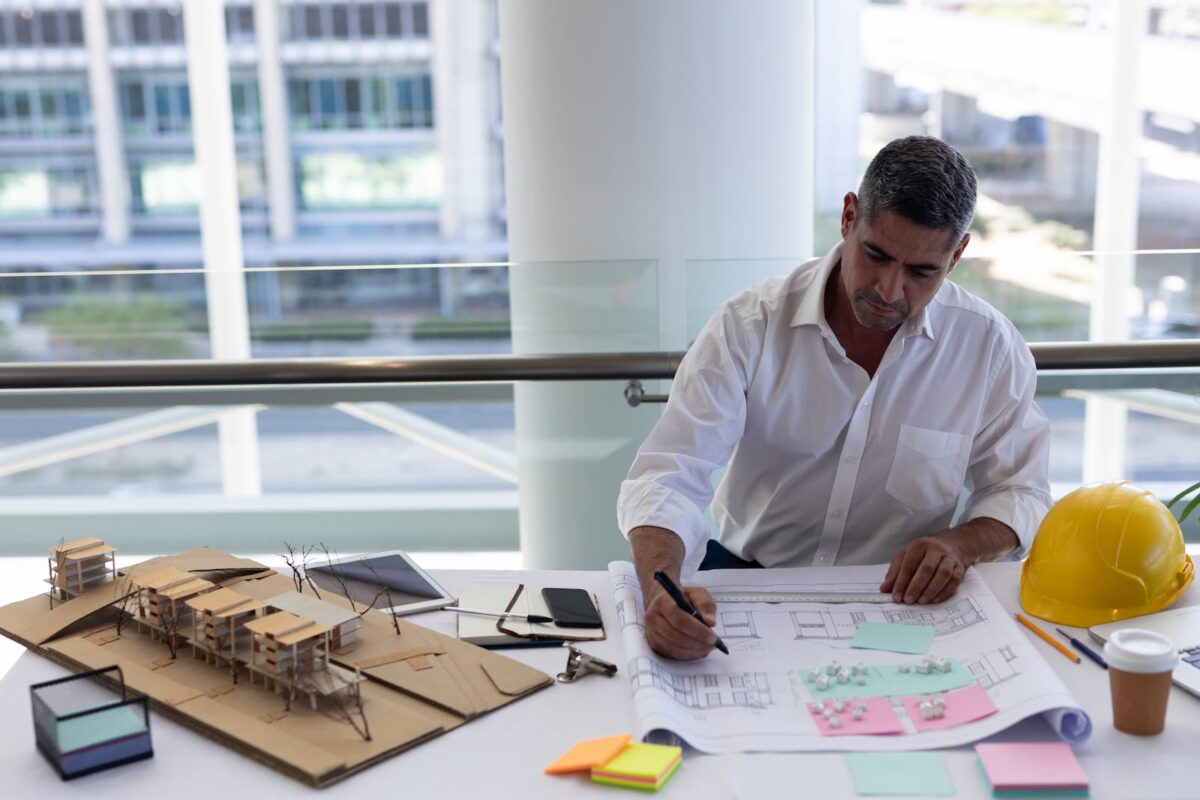
Understanding the Role of Design, Planning, and Visualization in Construction Projects

Every successful construction project starts long before work begins on-site. Design, planning, and visualization play a critical role in shaping how a project is executed, how efficiently it runs, and how accurately expectations are met.

While many focus on the build phase, the groundwork laid during early planning is what determines the outcome.

Why Design Matters in Construction

Design is more than just drawings. It defines how a project will function, how materials will be used, and how different elements come together.

A well-thought-out design helps:

  • Reduce errors during construction
  • Improve coordination between trades
  • Ensure the project meets both functional and aesthetic goals

Without clear design direction, projects often run into avoidable issues later on.

The Importance of Detailed Planning

Planning connects design to execution. It takes concepts and turns them into actionable steps.

This includes:

  • Defining project scope
  • Establishing timelines
  • Coordinating materials and labour

When planning is rushed or incomplete, projects become reactive instead of structured.

Using Visualizations to Reduce Uncertainty

Renderings and visual representations help bridge the gap between concept and reality. They allow clients, contractors, and stakeholders to understand the final outcome before construction begins.

This reduces:

  • Miscommunication
  • Mid-project changes
  • Unclear expectations

Visualization tools are especially useful for complex or custom projects.

Aligning Design With Execution

Even the best designs can fail without proper execution. Plans need to be realistic, buildable, and aligned with on-site conditions.

This requires coordination between designers, project managers, and trades from the start.

When alignment is strong, projects move forward with fewer disruptions.

Common Gaps Between Planning and Construction

Many issues arise when there is a disconnect between design and execution. This often leads to delays, added costs, and rework.

These gaps are similar to what happens with why construction projects go over budget, where early decisions create downstream problems.

Bridging this gap requires better communication and more detailed planning upfront.

Bringing It All Together

Construction projects run more efficiently when design, planning, and execution are treated as a connected process rather than separate stages.

The more effort invested upfront, the fewer issues arise during the build. Clear plans, strong coordination, and proper visualization all contribute to a smoother project from start to finish.

Why Construction Projects Go Over Budget (And How to Prevent It)

Going over budget is one of the most common problems in construction. It doesn’t usually happen because of one major mistake. Instead, it’s the result of small issues that build up throughout the project.

Many of these issues are tied directly to common construction planning mistakes that cause delays, which often start long before work begins.

From inaccurate estimates to poor coordination, the causes are often predictable. The difference is whether they’re addressed during planning or allowed to surface during execution.

Inaccurate Initial Estimates

Many projects start with numbers that don’t reflect real conditions. Estimates are often based on best-case scenarios instead of realistic ones.

Labour availability, material pricing, and project complexity all affect costs. If those factors aren’t properly accounted for upfront, the budget quickly becomes unreliable.

A strong estimate should include real-world conditions, not assumptions.

Constant Changes During the Project

Scope changes are one of the biggest drivers of cost overruns. Even small adjustments can create ripple effects across the entire project.

Changing materials, layouts, or finishes mid-project leads to:

  • Additional labour
  • Delays in scheduling
  • Rework across multiple trades

The more decisions that are finalized before the project starts, the more stable the budget will be.

Poor Coordination Between Trades

Construction relies on timing. When trades are not aligned, delays and extra costs follow.

If one trade falls behind, others either wait or work around incomplete areas. This leads to inefficiencies, extended timelines, and sometimes damaged or redone work.

Clear coordination between all parties reduces these issues significantly.

Material Price Fluctuations

Material costs can change quickly, especially in volatile markets. Projects that don’t account for this risk often run into budget problems.

Locking in pricing early, sourcing alternatives, and planning ahead can reduce exposure to sudden increases.

Ignoring this factor leaves the project vulnerable.

Weak Scheduling

Poor scheduling often leads to wasted time and increased costs. When timelines are unrealistic or poorly structured, delays are inevitable.

Missed delivery dates, unavailable labour, and inspection hold-ups all contribute to extended project durations.

A realistic schedule includes buffer time and accounts for dependencies between tasks.

Lack of Contingency Planning

Every project should include a contingency budget. Unexpected issues are part of construction, not exceptions.

Without a contingency, even minor problems can push the project over budget. With one, those same issues become manageable.

Planning for the unexpected is part of building properly, not overplanning.

How to Keep Projects on Budget

Staying on budget comes down to preparation and discipline. Clear scope, accurate estimates, and strong coordination all play a role.

When decisions are made early and communication is consistent, projects run more efficiently. The fewer surprises that happen during execution, the easier it is to stay within budget.

Most cost overruns are preventable. The key is addressing the causes before the project begins.

Construction Planning Mistakes That Cause Delays

Construction projects rarely fail because of one major issue. More often, they break down due to a series of small planning mistakes that build on each other over time. Missed details, poor coordination, and unrealistic expectations can quickly turn a straightforward project into a costly and delayed process.

Whether it’s a residential renovation or a commercial build, the planning phase is what determines how smoothly everything runs. When projects move forward without that foundation properly set, problems are almost guaranteed.

Lack of Clear Project Scope

One of the most common mistakes is starting work without a clearly defined scope. When plans are vague, changes happen constantly, and every change affects both the timeline and the budget.

A proper scope should include detailed drawings, finalized material selections, and clear expectations between all parties involved. Without this level of clarity, projects become reactive instead of structured, which leads to confusion and inefficiencies.

Poor Communication Between Teams

Construction projects involve multiple people working at different stages. Designers, contractors, subcontractors, and suppliers all need to stay aligned throughout the process.

When communication breaks down, it often results in work being redone, timelines being missed, and unnecessary conflict between trades. Setting clear communication expectations from the beginning is critical, rather than trying to fix issues after they start.

Unrealistic Budgeting

Budget issues are one of the fastest ways for a project to go off track. Many builds begin with numbers that don’t reflect real-world conditions, which leads to problems as soon as work starts.

If you look at why construction projects go over budget, it usually comes down to inaccurate estimates, missing contingencies, and poor coordination between trades.

Common issues include underestimating labour, ignoring contingency costs, and not accounting for fluctuating material prices. A realistic budget requires experience and an understanding of current market conditions.

Inadequate Scheduling

Timelines often look good during planning but fall apart in execution. This usually happens when dependencies between tasks are not properly accounted for.

If one trade is delayed, it can impact multiple stages of the project. Materials might not arrive when needed, and inspections can slow progress further. A strong schedule builds in flexibility and accounts for these variables.

Weak Project Coordination

Even with a solid plan, execution can fail without proper coordination. Someone needs to oversee the project and ensure everything stays on track.

Without that oversight, projects often experience downtime between phases, misalignment between trades, and extended timelines. Coordination is what keeps everything moving efficiently from one stage to the next.

Ignoring Risk and Contingencies

Every construction project comes with unknowns. Weather conditions, supply chain disruptions, and unexpected site issues can all affect progress.

Planning for these risks means setting aside contingency budgets, allowing extra time where needed, and having backup options available. Ignoring potential risks does not prevent them, it just makes the impact worse when they happen.

Construction success comes down to preparation and execution. Projects that stay on time and within budget are usually the ones that invested the most effort into planning before any work began.