Category: Project Planning (page 1 of 1)

Why Construction Projects Go Over Budget (And How to Prevent It)

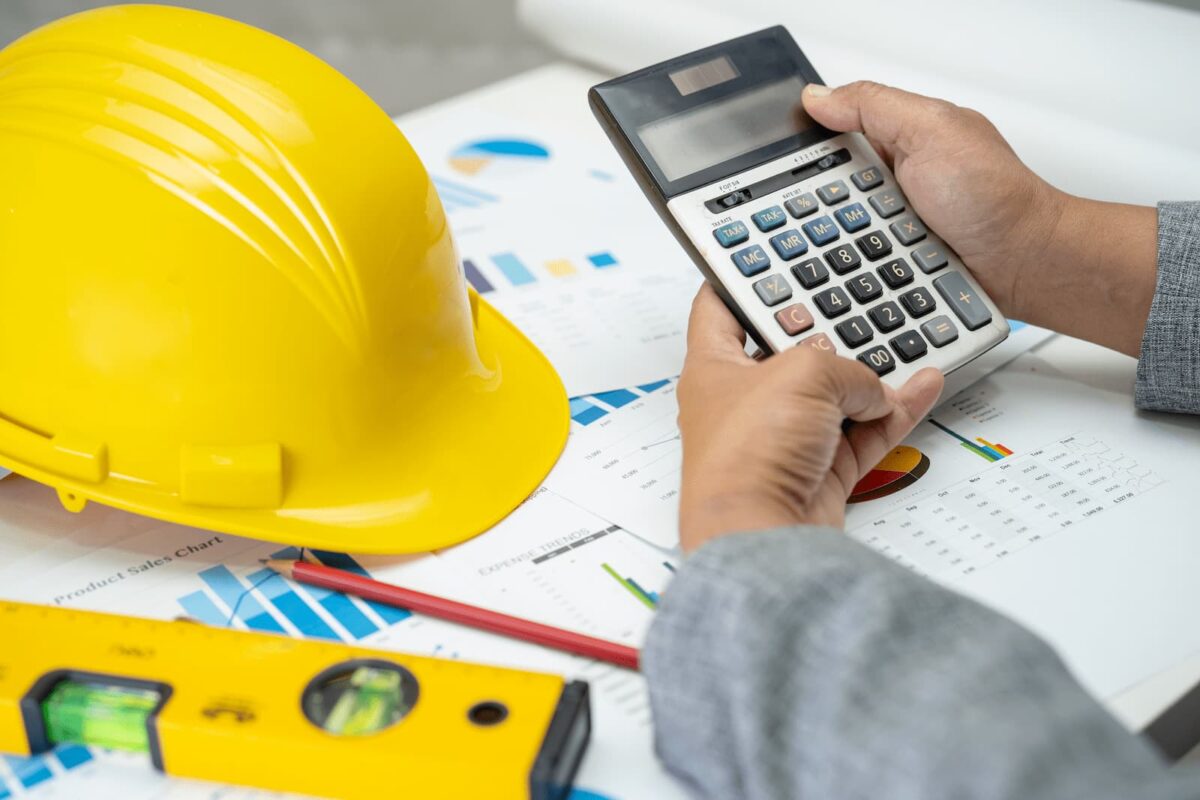
Going over budget is one of the most common problems in construction. It doesn’t usually happen because of one major mistake. Instead, it’s the result of small issues that build up throughout the project.

Many of these issues are tied directly to common construction planning mistakes that cause delays, which often start long before work begins.

From inaccurate estimates to poor coordination, the causes are often predictable. The difference is whether they’re addressed during planning or allowed to surface during execution.

Inaccurate Initial Estimates

Many projects start with numbers that don’t reflect real conditions. Estimates are often based on best-case scenarios instead of realistic ones.

Labour availability, material pricing, and project complexity all affect costs. If those factors aren’t properly accounted for upfront, the budget quickly becomes unreliable.

A strong estimate should include real-world conditions, not assumptions.

Constant Changes During the Project

Scope changes are one of the biggest drivers of cost overruns. Even small adjustments can create ripple effects across the entire project.

Changing materials, layouts, or finishes mid-project leads to:

  • Additional labour
  • Delays in scheduling
  • Rework across multiple trades

The more decisions that are finalized before the project starts, the more stable the budget will be.

Poor Coordination Between Trades

Construction relies on timing. When trades are not aligned, delays and extra costs follow.

If one trade falls behind, others either wait or work around incomplete areas. This leads to inefficiencies, extended timelines, and sometimes damaged or redone work.

Clear coordination between all parties reduces these issues significantly.

Material Price Fluctuations

Material costs can change quickly, especially in volatile markets. Projects that don’t account for this risk often run into budget problems.

Locking in pricing early, sourcing alternatives, and planning ahead can reduce exposure to sudden increases.

Ignoring this factor leaves the project vulnerable.

Weak Scheduling

Poor scheduling often leads to wasted time and increased costs. When timelines are unrealistic or poorly structured, delays are inevitable.

Missed delivery dates, unavailable labour, and inspection hold-ups all contribute to extended project durations.

A realistic schedule includes buffer time and accounts for dependencies between tasks.

Lack of Contingency Planning

Every project should include a contingency budget. Unexpected issues are part of construction, not exceptions.

Without a contingency, even minor problems can push the project over budget. With one, those same issues become manageable.

Planning for the unexpected is part of building properly, not overplanning.

How to Keep Projects on Budget

Staying on budget comes down to preparation and discipline. Clear scope, accurate estimates, and strong coordination all play a role.

When decisions are made early and communication is consistent, projects run more efficiently. The fewer surprises that happen during execution, the easier it is to stay within budget.

Most cost overruns are preventable. The key is addressing the causes before the project begins.
Construction Planning Mistakes That Cause Delays

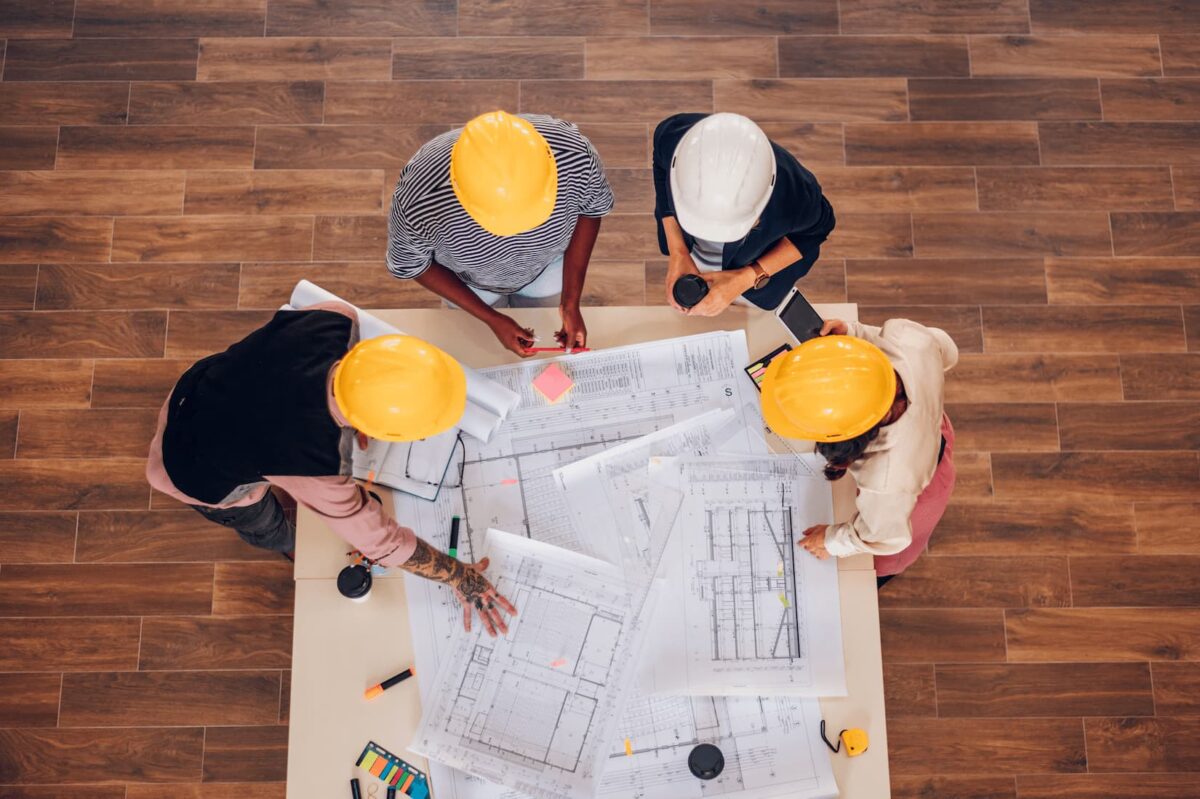
Construction projects rarely fail because of one major issue. More often, they break down due to a series of small planning mistakes that build on each other over time. Missed details, poor coordination, and unrealistic expectations can quickly turn a straightforward project into a costly and delayed process.

Whether it’s a residential renovation or a commercial build, the planning phase is what determines how smoothly everything runs. When projects move forward without that foundation properly set, problems are almost guaranteed.

Lack of Clear Project Scope

One of the most common mistakes is starting work without a clearly defined scope. When plans are vague, changes happen constantly, and every change affects both the timeline and the budget.

A proper scope should include detailed drawings, finalized material selections, and clear expectations between all parties involved. Without this level of clarity, projects become reactive instead of structured, which leads to confusion and inefficiencies.

Poor Communication Between Teams

Construction projects involve multiple people working at different stages. Designers, contractors, subcontractors, and suppliers all need to stay aligned throughout the process.

When communication breaks down, it often results in work being redone, timelines being missed, and unnecessary conflict between trades. Setting clear communication expectations from the beginning is critical, rather than trying to fix issues after they start.

Unrealistic Budgeting

Budget issues are one of the fastest ways for a project to go off track. Many builds begin with numbers that don’t reflect real-world conditions, which leads to problems as soon as work starts.

If you look at why construction projects go over budget, it usually comes down to inaccurate estimates, missing contingencies, and poor coordination between trades.

Common issues include underestimating labour, ignoring contingency costs, and not accounting for fluctuating material prices. A realistic budget requires experience and an understanding of current market conditions.

Inadequate Scheduling

Timelines often look good during planning but fall apart in execution. This usually happens when dependencies between tasks are not properly accounted for.

If one trade is delayed, it can impact multiple stages of the project. Materials might not arrive when needed, and inspections can slow progress further. A strong schedule builds in flexibility and accounts for these variables.

Weak Project Coordination

Even with a solid plan, execution can fail without proper coordination. Someone needs to oversee the project and ensure everything stays on track.

Without that oversight, projects often experience downtime between phases, misalignment between trades, and extended timelines. Coordination is what keeps everything moving efficiently from one stage to the next.

Ignoring Risk and Contingencies

Every construction project comes with unknowns. Weather conditions, supply chain disruptions, and unexpected site issues can all affect progress.

Planning for these risks means setting aside contingency budgets, allowing extra time where needed, and having backup options available. Ignoring potential risks does not prevent them, it just makes the impact worse when they happen.

Construction success comes down to preparation and execution. Projects that stay on time and within budget are usually the ones that invested the most effort into planning before any work began.